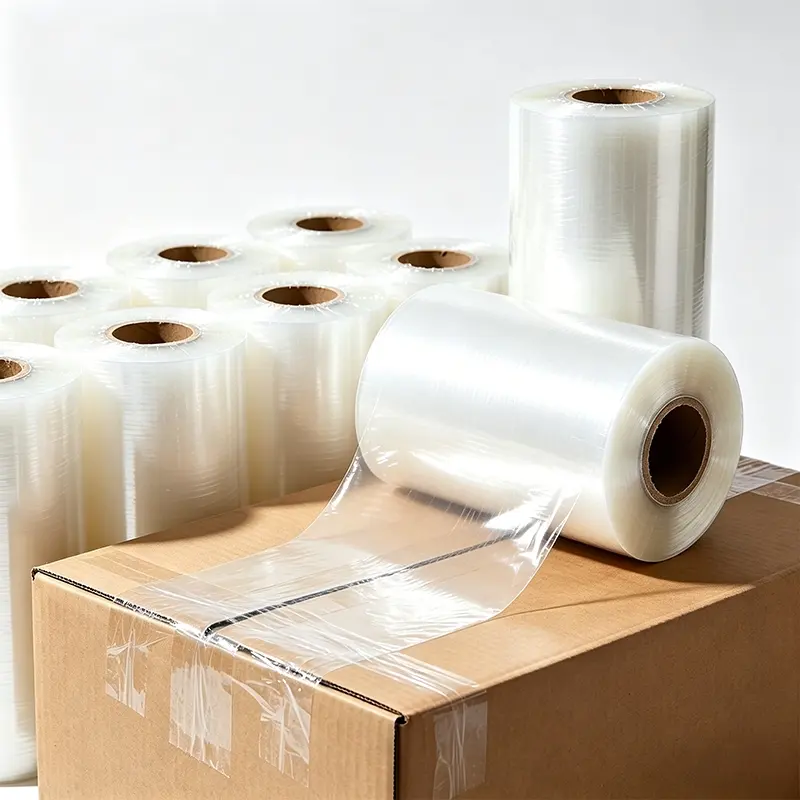
How to Choose the Right Stretch Wrap Film: 2026 Ultimate Buyer’s Guide for E-Commerce & Logistics
Release time: 2026-08-06
Introduction
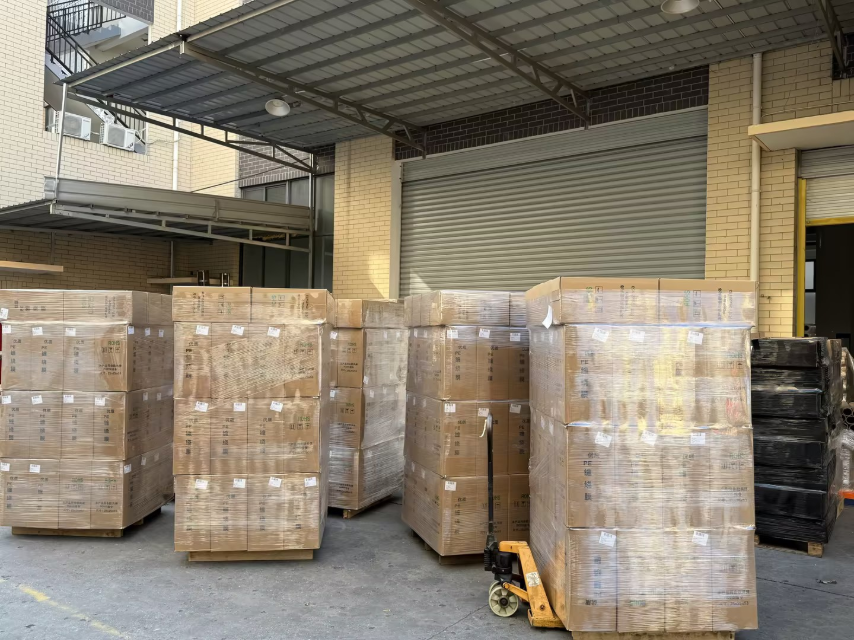
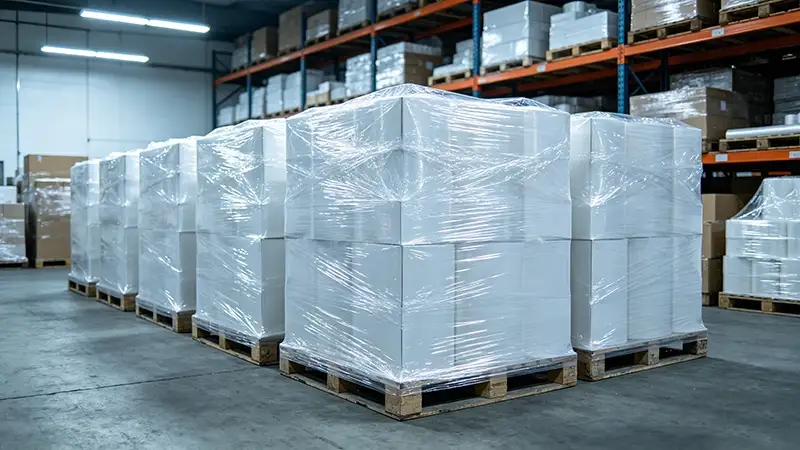
Stretch wrap film is a vital packaging material for e-commerce, warehousing and global logistics. It secures palletized shipments, prevents shifting, dust, moisture and transit damage, and keeps goods intact during storage and delivery.
However, many business buyers struggle to find suitable stretch film that balances quality, performance and cost. A poor choice often leads to cargo damage, packaging waste, equipment issues and higher long-term logistics costs. This updated 2026 buyer’s guide simplifies the selection process, helping you find the ideal stretch wrap film for your business.
1. Hand Stretch Film vs. Machine Stretch Film
The first step in choosing stretch wrap film is matching the film type to your packaging workflow. The two core categories serve completely different operational needs.
1.1 Hand Stretch Film
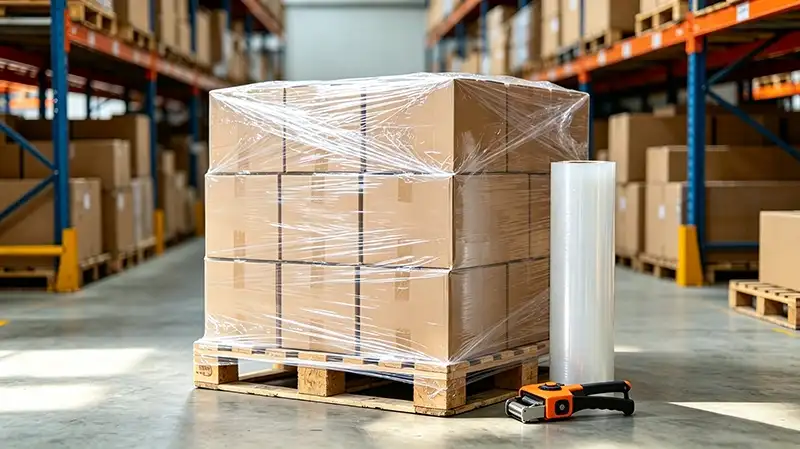
Hand stretch film is designed for manual wrapping with no specialized equipment required. It is lightweight, easy to tear and highly flexible for on-site use.
Key Benefits: Low cost, easy operation, no equipment dependency, perfect for irregular and small-batch packaging.
Ideal Applications: Small warehouses, startup e-commerce stores, temporary cargo wrapping and low-volume shipping.
1.2 Machine Stretch Film
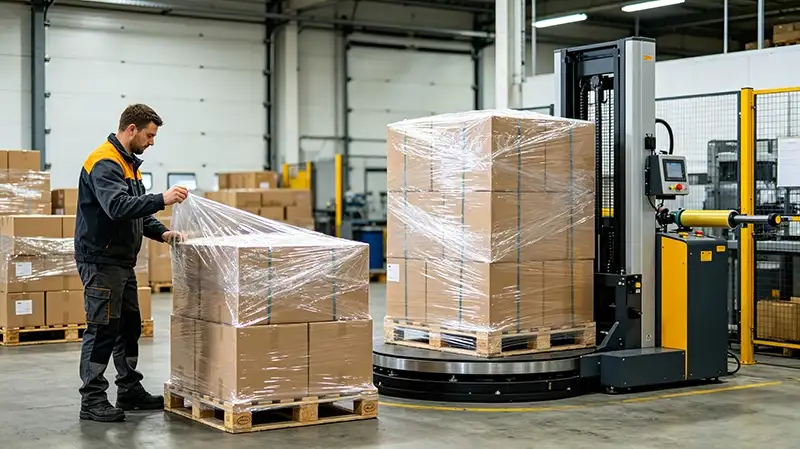
Machine-grade stretch film is engineered for automatic and semi-automatic pallet wrapping machines. It delivers consistent tension, high stretch capability and stable performance for continuous high-volume production.
Key Benefits: 500%–600% stretch rate, uniform wrapping tension, minimal material waste and superior packaging efficiency.
Ideal Applications: Large manufacturing facilities, logistics hubs, high-volume e-commerce fulfillment centers and automated packaging lines.
2. Key Technical Specifications to Consider
Film performance directly determines pallet stability and cargo safety. Focus on these four critical parameters to avoid low-quality, unreliable stretch wrap film.
2.1 Film Gauge (Thickness)
Gauge indicates film thickness and load-bearing capacity. Choose the thickness based on your cargo weight and packaging scenarios:
- 15–20μm (Light-Duty): For lightweight cartons and daily goods; suitable for indoor storage and short-distance shipping.
- 20–25μm (Medium-Duty): The most versatile option for standard e-commerce pallets; balances durability and cost for daily logistics.
- 25–35μm (Heavy-Duty): For heavy, sharp or irregular items such as metal parts and building materials; offers superior puncture and tear resistance for long-haul freight.
2.2 Stretch Rate & Tensile Strength
High-quality stretch film features a 400%–500% stretch rate, which reduces material consumption and cuts packaging costs per pallet. Strong tensile strength keeps the film tight and stable during transit, effectively preventing pallet loosening and cargo collapse.
2.3 Cling Strength
Premium stretch film has consistent self-cling properties without extra adhesive. Moderate cling strength ensures tight, gap-free wrapping. Too little cling causes loose packaging and cargo shifting, while excessive cling leads to sticky residue and material waste.
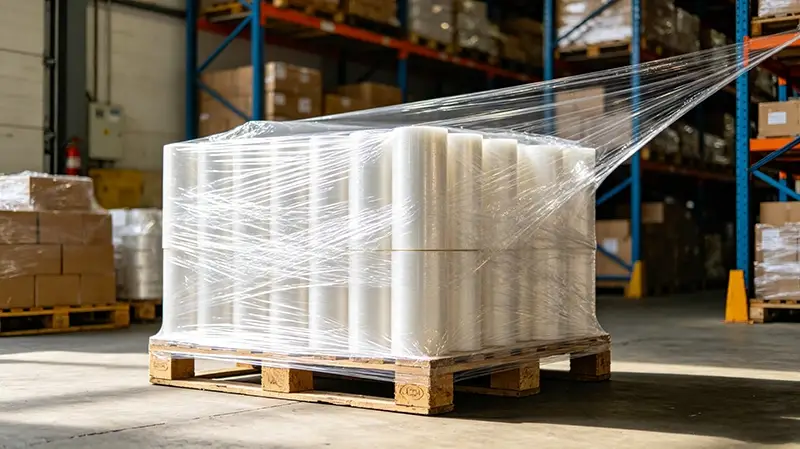
2.4 Puncture & Tear Resistance
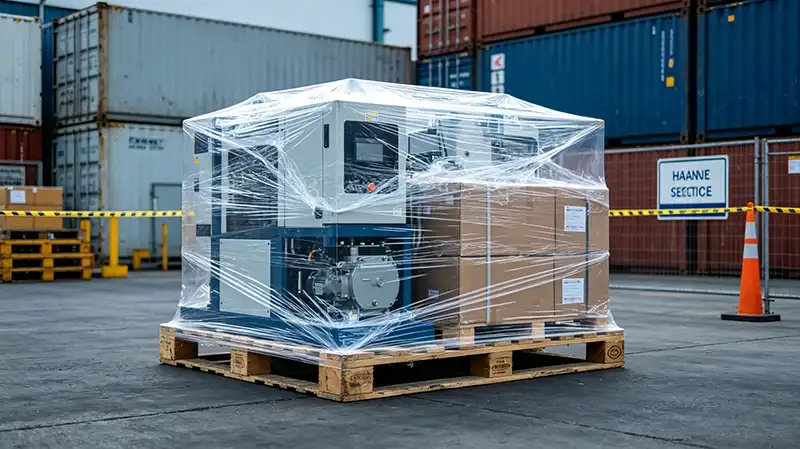
Shipments with sharp edges can easily pierce ordinary film. High-performance stretch wrap delivers excellent puncture and tear resistance, maintaining packaging integrity throughout long-distance transportation and handling.
3. Choose Film Based on Working Environment
Different storage and shipping conditions require customized functional stretch film to avoid premature aging or breakage.
3.1 Indoor & Short-Distance Shipping
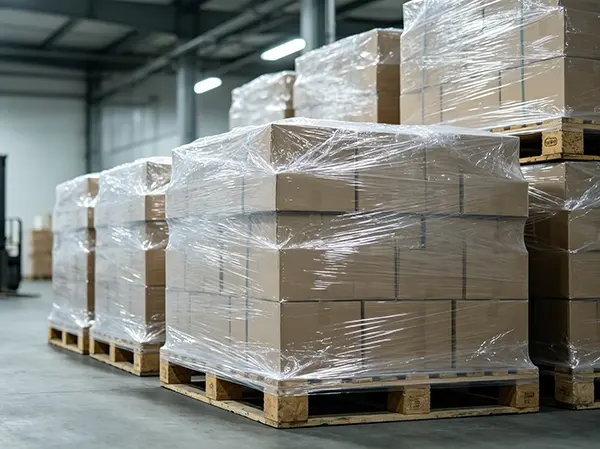
Standard transparent stretch film is sufficient for indoor warehousing and local shipping. It provides basic dustproof, moistureproof and scratch-resistant protection with great cost performance.
3.2 Outdoor Storage & Sea Freight
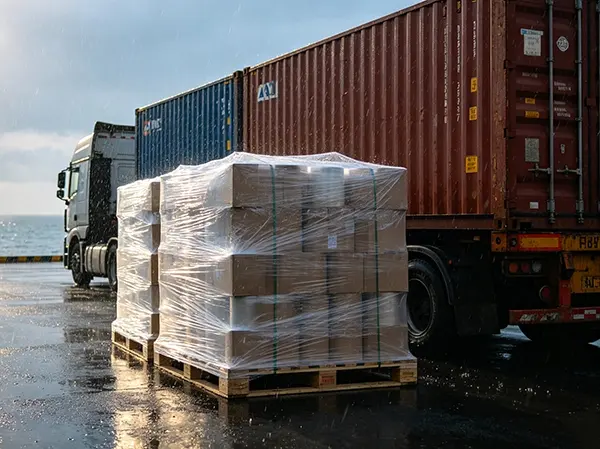
Sunlight, rain and high humidity will degrade ordinary stretch film rapidly. For outdoor storage and cross-border sea freight, choose UV-resistant and moisture-proof stretch film to prevent brittleness, aging and packaging failure.
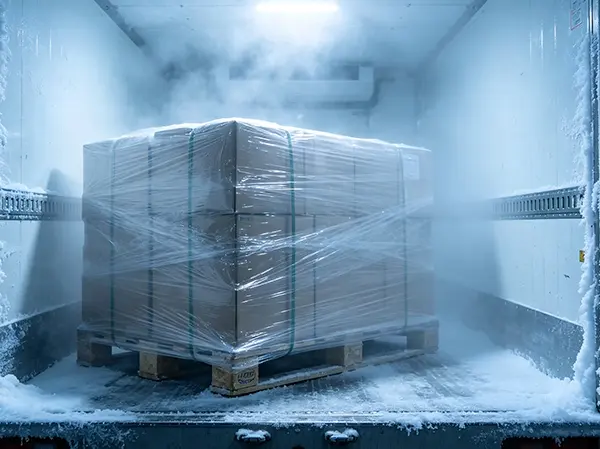
3.3 Cold Chain & Low-Temperature Logistics
Ordinary film turns brittle and breaks easily in low-temperature environments. Professional cold-resistant stretch film retains flexibility and toughness in cold storage and cold chain transportation for reliable packaging performance.
4. Eco-Friendly & Compliance-Focused Selection
Global environmental regulations such as EU 2019/904 have made sustainable packaging a must for cross-border trade. Eco-friendly stretch film helps businesses meet international green standards, reduce carbon footprint and avoid plastic policy barriers.
Recyclable and biodegradable stretch wrap are ideal choices for export brands focusing on environmental compliance and sustainable logistics.
5. Common Stretch Film Buying Mistakes to Avoid
- Chasing the lowest price only: Cheap stretch film usually has uneven thickness, poor toughness and low durability, leading to cargo damage and higher overall logistics costs.
- Ignoring equipment compatibility: Mismatched film width and stretch parameters cause machine jams, low efficiency and material waste.
- Overlooking thickness tolerance: Qualified film features a tolerance within ±0.003mm. Excessive tolerance creates weak points and easy rupture.
- Mismatching environmental grades: Using standard film for outdoor or marine shipping results in fast aging and failed protection.
6. Quick Reference Selection Chart
- Small E-Commerce & Manual Wrapping: 15–22μm medium-duty hand stretch film
- Automated Factory Packaging: 25–30μm high-stretch machine stretch film
- Heavy & Sharp Cargo Freight: 30–35μm heavy-duty puncture-resistant stretch film
- Outdoor Storage & Cross-Border Sea Freight: UV & moisture resistant stretch film
- Green Export & Compliance Packaging: Recyclable eco-friendly stretch film
Conclusion
Selecting the right stretch wrap film is key to optimizing your logistics efficiency, reducing costs and protecting shipment safety. Instead of focusing solely on upfront prices, prioritize film quality, scenario compatibility and long-term cost savings.
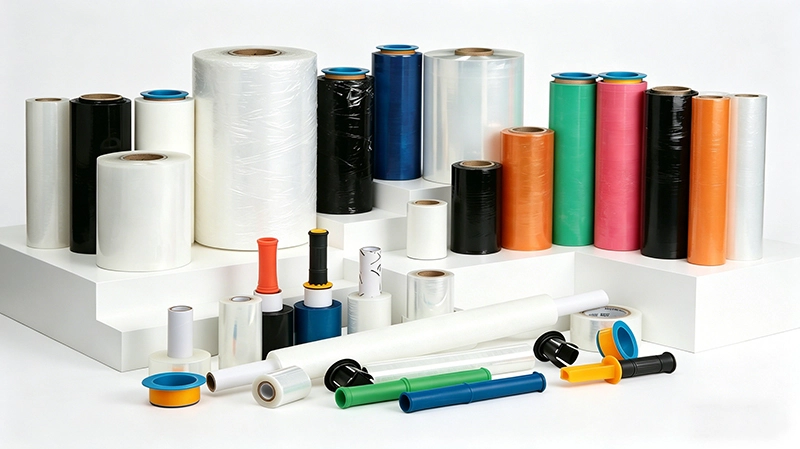
Whether you need hand film, machine film, heavy-duty protective film or eco-friendly stretch wrap, matching the film performance to your cargo type, equipment and shipping environment will always deliver the best packaging solution.
FAQ
Q1: What is the best stretch film gauge for pallet wrapping?
22–30μm medium-duty film works best for most standard pallet shipments. Use 15–22μm for light goods and 30–35μm heavy-duty film for heavy or sharp-edged cargo.
Q2: What is the main difference between hand film and machine stretch film?
Hand stretch film is for manual, low-volume wrapping with simple operation. Machine stretch film supports high pre-stretch and automated high-volume packaging for industrial-scale logistics.
Q3: Can standard stretch film be used for outdoor storage?
No. Ordinary stretch film cannot resist UV rays and moisture. For long-term outdoor storage, use professional UV-resistant stretch film to prevent aging and breakage.
Q4: Is recyclable stretch film qualified for cross-border shipping?
Yes. Certified recyclable stretch film meets international environmental standards and is fully suitable for cross-border e-commerce exports and global green logistics.
Click to browse more products and select the one suited to your requirements