The Ultimate Guide to Stretch Film and Pallet Wrapping for Industrial Packaging
Release time: 2026-02-14
Table of Contents
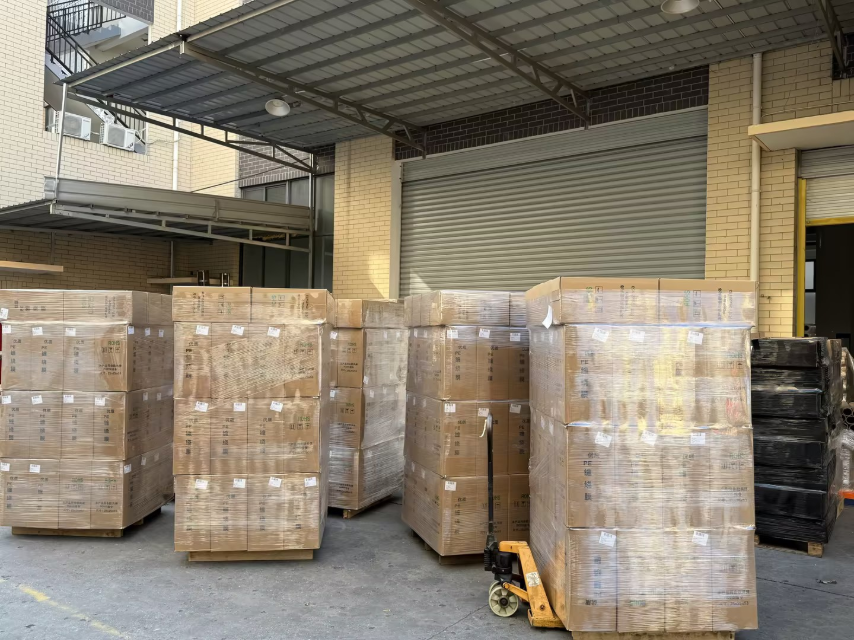
Stretch film plays a vital role in modern logistics and industrial packaging. From warehouses to global shipping operations, businesses rely on stretch film to secure products, stabilize pallet loads, and protect goods during transportation. Choosing the right stretch film and understanding proper pallet wrapping techniques can significantly improve packaging efficiency and reduce damage during transit.
In this ultimate guide, we will explore what stretch film is, how pallet wrapping works, different types of stretch film, and how to choose the best solution for your packaging operations.
What Is Stretch Film?
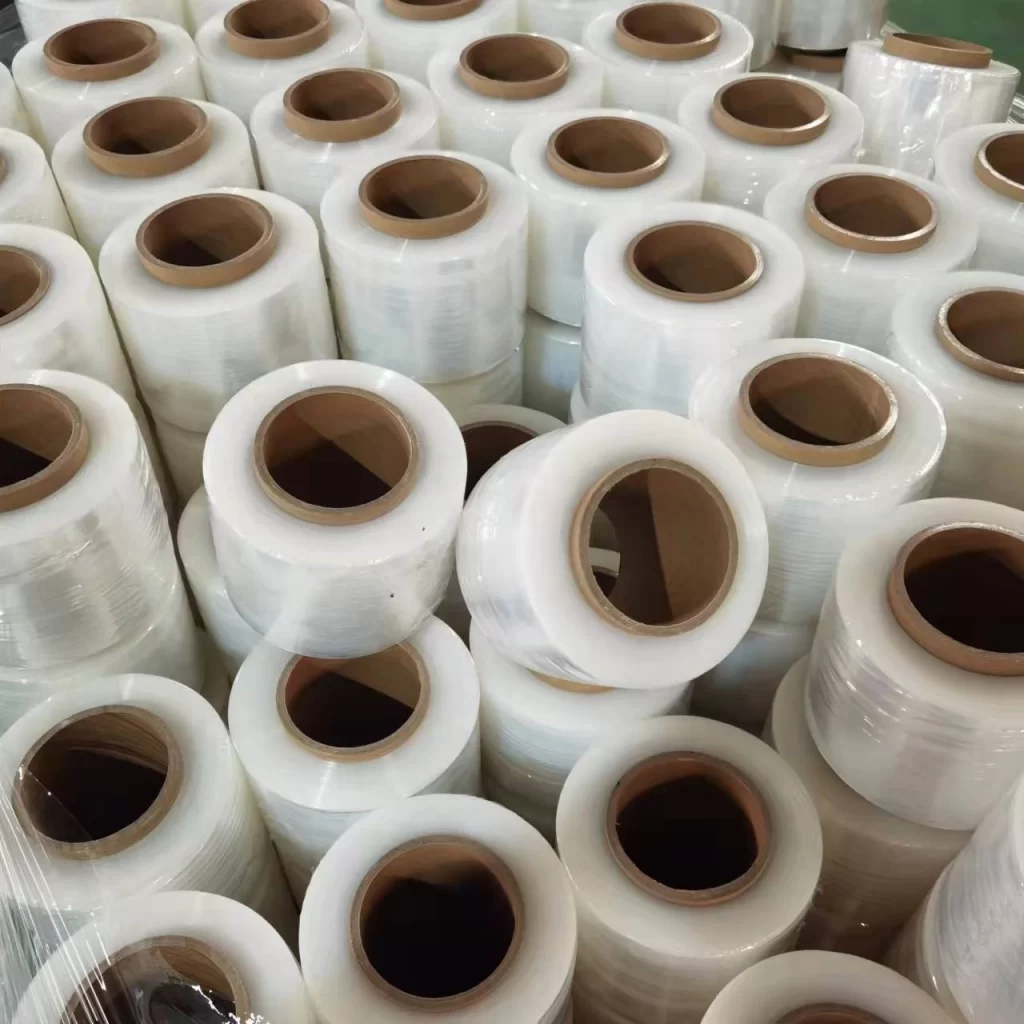
Stretch film is a highly elastic plastic film used to wrap products on pallets. It stretches when applied and then contracts slightly to create tension that holds items tightly together.
Most stretch films are made from Linear Low-Density Polyethylene (LLDPE), a flexible material known for its durability, puncture resistance, and strong load containment properties.
The main purpose of stretch film is to:
- Secure palletized loads
- Prevent products from shifting during transportation
- Protect items from dust and moisture
- Improve warehouse safety and efficiency
Stretch film is widely used in industries such as logistics, manufacturing, retail distribution, and export packaging.
How Pallet Wrapping Works
Pallet wrapping is the process of wrapping stretch film around stacked products placed on a pallet. The film creates tension that stabilizes the load and keeps items firmly in place.
The wrapping process typically involves:
- Placing products on a pallet
- Wrapping stretch film around the base of the pallet
- Applying multiple layers of film while moving upward
- Securing the top of the load
Proper pallet wrapping ensures that the load remains stable throughout storage and transportation.
There are two main pallet wrapping methods:
Manual Pallet Wrapping
Workers wrap the pallet using hand-held stretch film rolls. This method is common in small warehouses or low-volume packaging environments.
Machine Pallet Wrapping
Automated pallet wrapping machines apply stretch film quickly and consistently. These machines are used in large warehouses and high-volume logistics operations.
Types of Stretch Film
Choosing the right type of stretch film is essential for ensuring proper load protection. The most common types include:
1. Manual Stretch Film
Manual stretch film, also known as hand stretch film, is designed for manual application. Workers wrap pallets by hand using lightweight film rolls.
Advantages:
- Low equipment cost
- Easy to use
- Ideal for small operations
However, manual wrapping can be slower and less consistent compared to automated methods.
2. Machine Grade Stretch Film
Machine stretch film is designed for pallet wrapping machines. It has higher stretch capacity and stronger load containment compared to manual film.
Benefits include:
- Faster pallet wrapping
- Consistent film tension
- Reduced labor costs
- Improved load stability
Machine stretch film is commonly used in high-volume warehouses and manufacturing facilities.
3. Cast Stretch Film
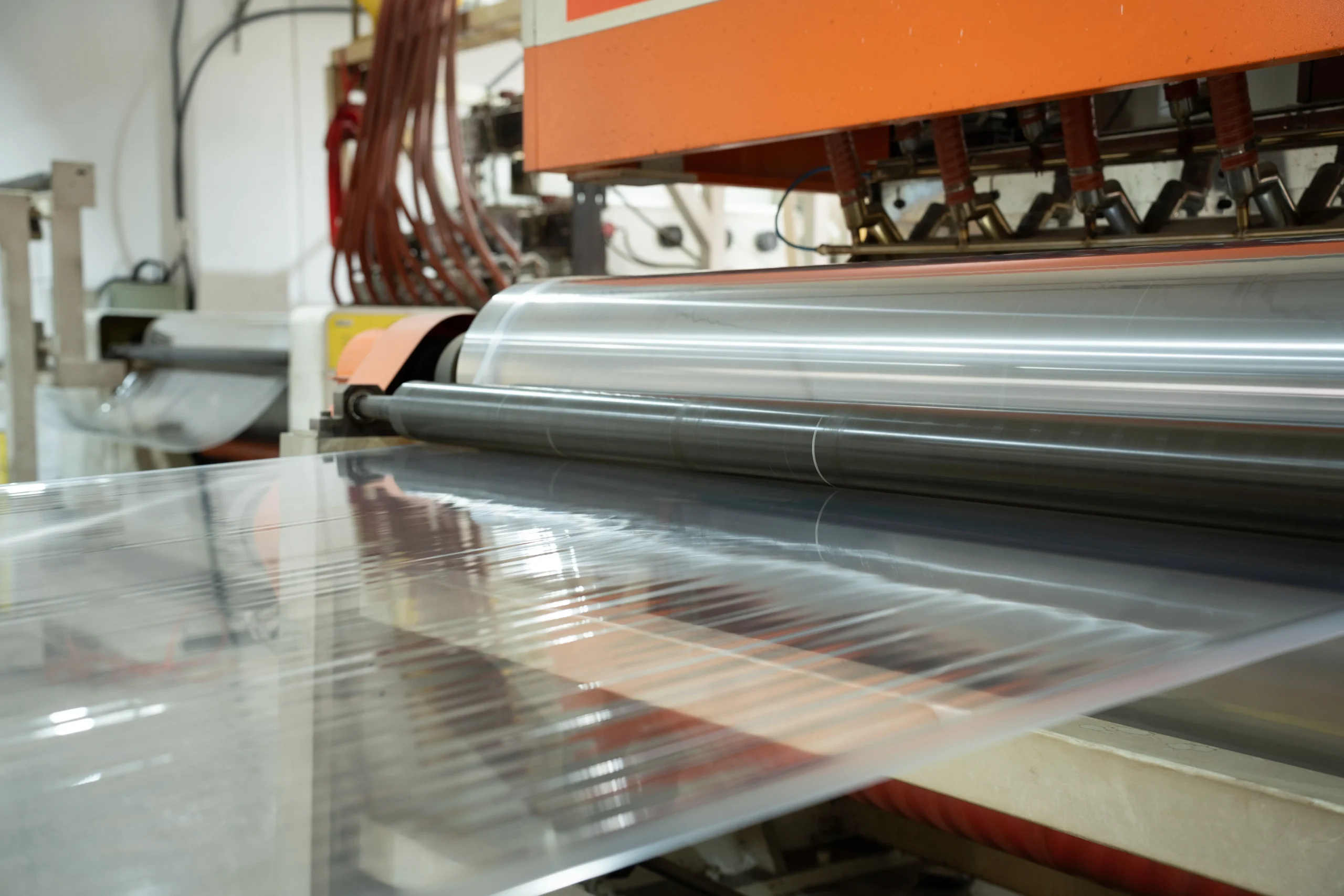
Cast stretch film is produced through a cast extrusion process. It is known for its clarity and quiet unwinding.
Key characteristics:
- High transparency
- Smooth application
- Consistent thickness
Cast stretch film is commonly used for retail and warehouse packaging.
4. Blown Stretch Film
Blown stretch film is manufactured using the blown extrusion process. It offers excellent strength and puncture resistance.
Advantages:
- Strong load holding power
- High durability
- Better resistance to tearing
Blown stretch film is ideal for heavy or irregular loads.
5. Pre-Stretched Film
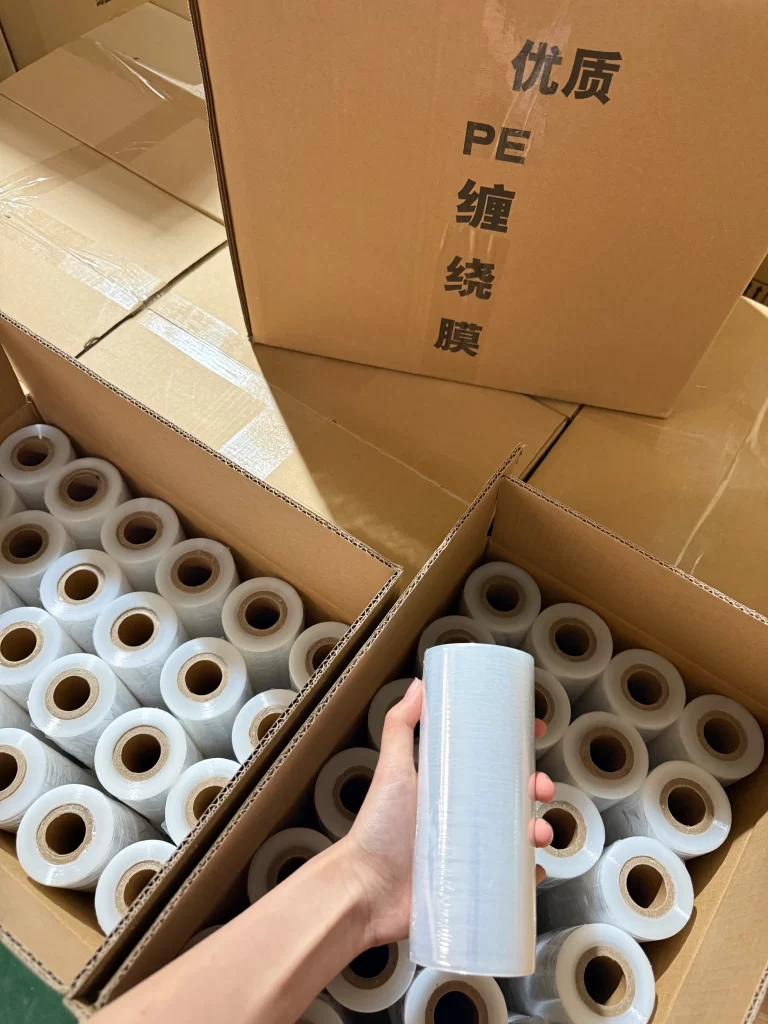
Pre-stretched film is stretched during manufacturing before being wound onto the roll. This reduces the effort required during application.
Benefits include:
- Reduced worker fatigue
- Lower film consumption
- Consistent wrapping tension
Pre-stretched film is commonly used in manual pallet wrapping operations.
Key Benefits of Stretch Film in Industrial Packaging
Stretch film offers numerous advantages for businesses involved in logistics and shipping.
1. Improved Load Stability
Stretch film tightly secures pallet loads, preventing products from shifting during transportation.
2. Reduced Product Damage
By keeping items firmly in place, stretch film minimizes the risk of product damage.
3. Cost-Effective Packaging
Stretch film is one of the most affordable packaging materials available for palletized shipments.
4. Protection Against Environmental Factors
Stretch film protects goods from dust, dirt, and moisture during storage and shipping.
5. Tamper Resistance
Wrapped pallets make it easier to detect unauthorized access or tampering during transit.
How to Choose the Right Stretch Film
Selecting the high-performance stretch film depends on several important factors.
Load Weight
Heavy loads require thicker film with stronger puncture resistance.
Typical guidelines include:
- Light loads: 12–15 microns
- Medium loads: 17–20 microns
- Heavy loads: 23 microns or more
Wrapping Method
Your wrapping method will influence the type of stretch film required.
- Manual wrapping → hand stretch film
- Automated wrapping → machine grade stretch film
Transportation Distance
Long-distance shipping requires stronger film to maintain load stability during transportation.
Product Shape
Irregular loads may require stronger film such as blown stretch film to prevent tearing.
Common Pallet Wrapping Mistakes to Avoid
Even with high-quality stretch film, improper wrapping can lead to unstable pallet loads.
Here are some common mistakes to avoid:
Insufficient Base Wrapping
The bottom of the pallet must be tightly wrapped to anchor the load.
Using Too Little Film
Using fewer layers of film reduces load stability.
Overstretching Film
Excessive stretching can weaken the film and cause it to break.
Ignoring Load Shape
Uneven loads require additional wrapping for proper stabilization.
Proper training and equipment can help eliminate these issues.
The Role of Pallet Wrapping Machines
As logistics operations grow, many businesses invest in pallet wrapping machines to improve efficiency.
These machines offer several advantages:
- Faster wrapping speeds
- Consistent film application
- Reduced labor requirements
- Lower packaging costs over time
There are several types of pallet wrappers available, including:
- Turntable stretch wrappers
- Rotary arm stretch wrappers
- Orbital stretch wrappers
Automated pallet wrapping systems are widely used in large distribution centers and manufacturing plants.
Stretch Film and Sustainability
Sustainability is becoming increasingly important in packaging. Many manufacturers are developing eco-friendly stretch films to reduce environmental impact.
Common sustainability solutions include:
- Recyclable stretch film materials
- Post-consumer recycled (PCR) content
- Thinner high-performance films that reduce plastic usage
By choosing sustainable packaging solutions, companies can reduce waste while maintaining packaging efficiency.
Future Trends in Stretch Film Packaging
The packaging industry continues to evolve with new technologies and materials.
Key trends include:
- High-performance nano-layer stretch films
- Smart pallet wrapping machines with automated tension control
- Sustainable packaging materials
- Increased use of automated warehouse packaging systems
These innovations help businesses improve logistics efficiency while reducing operational costs.
Conclusion
Stretch film is an essential packaging material used across industries to secure pallet loads and protect goods during transportation. By understanding the different types of stretch film and the best pallet wrapping practices, businesses can improve packaging efficiency, reduce product damage, and lower operational costs.
Whether using manual stretch film for small operations or machine-grade film for high-volume logistics, selecting the right solution ensures safer and more efficient packaging.
As global supply chains continue to grow, stretch film and pallet wrapping technology will remain a crucial part of modern industrial packaging.
FAQs Stretch Film and Pallet Wrapping
What is stretch film used for?
Stretch film is used to secure products on pallets, preventing items from shifting during storage and transportation.
What material is stretch film made from?
Most stretch films are made from linear low-density polyethylene (LLDPE), which provides flexibility and strength.
What is the difference between cast stretch film and blown stretch film?
Cast stretch film offers high clarity and smooth application, while blown stretch film provides stronger puncture resistance and durability.
When should businesses use machine stretch film?
Machine stretch film is ideal for high-volume operations that use automated pallet wrapping machines.
Is stretch film recyclable?
Many stretch films are recyclable, and some manufacturers now produce films using recycled plastic materials.