Quelle est la différence entre un film étirable manuel et un film étirable à la machine ?
Release time: 2026-01-31
Table des matières
Stretch film plays a critical role in modern packaging and logistics. Whether securing pallets for warehouse storage or protecting products during long-distance shipping, stretch film ensures goods remain stable, protected, and intact. However, businesses often face a common question when selecting packaging materials: Should you choose manual stretch film or machine grade stretch film?
Understanding the differences between these two types of stretch film can help companies optimize packaging efficiency, reduce costs, and improve load stability. In this guide, we will explore the key differences between manual and machine grade stretch film, their advantages, applications, and how to choose the right option for your business.
What Is Stretch Film?
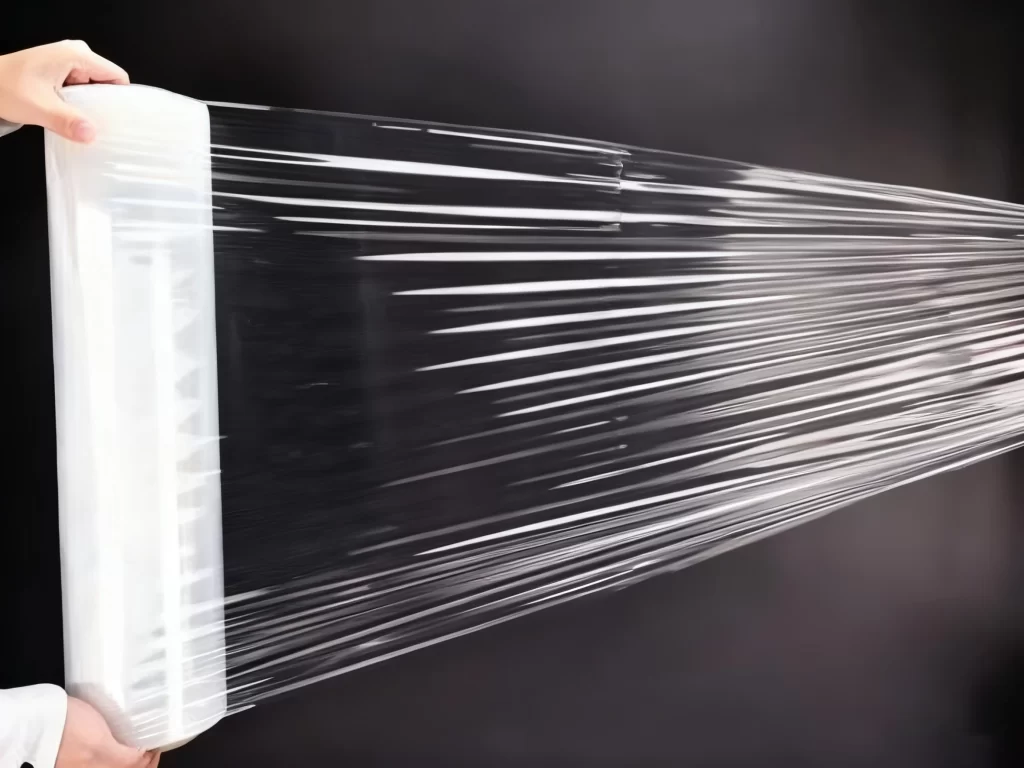
Stretch film is a highly stretchable plastic film commonly made from linear low-density polyethylene (LLDPE). It is wrapped around products or pallets to keep items tightly bound together during storage and transportation.
The film’s elasticity allows it to stretch and then contract, creating tension that holds products securely in place. Stretch film also provides protection against dust, moisture, and tampering.
There are two primary categories of stretch film:
- Manual (Hand) Stretch Film
- Machine Grade Stretch Film
While both serve the same purpose, their application methods, strength, and efficiency levels differ significantly.
What Is Manual Stretch Film?
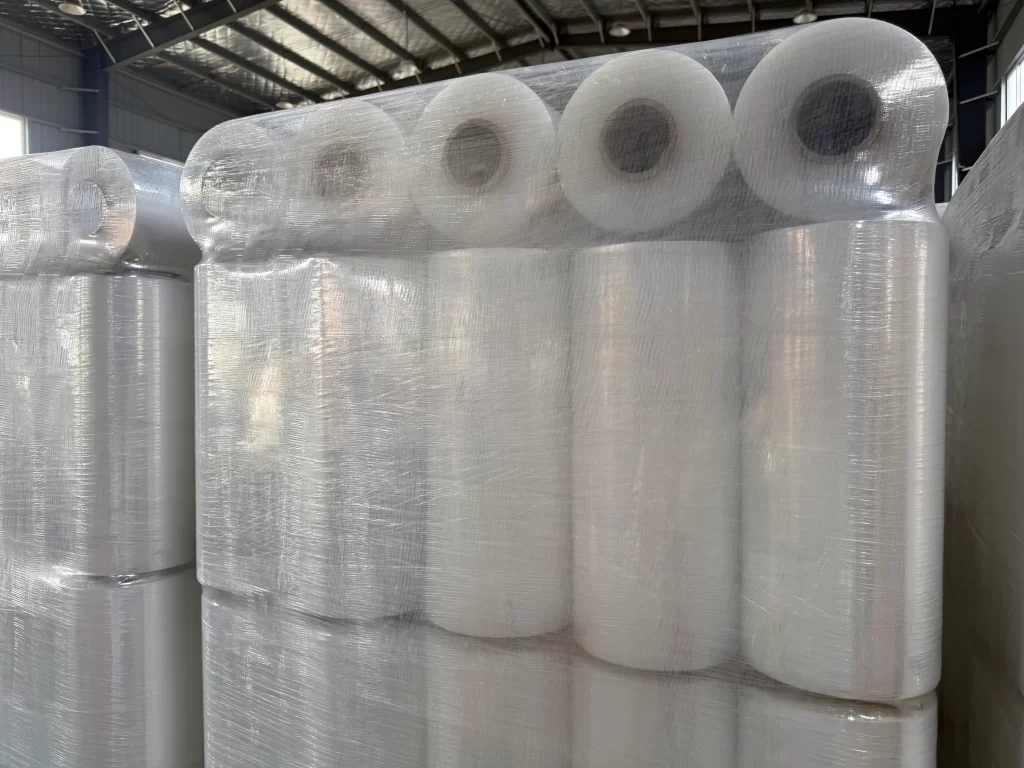
film étirable manuel, also known as hand stretch film, is designed for hand application. Workers wrap the film around pallets manually, typically using a dispenser or simply holding the roll.
Key Features of Manual Stretch Film
- Lightweight Rolls
Manual stretch film rolls are usually lighter, making them easier for workers to handle during wrapping operations.
- Lower Stretch Capacity
Compared to machine film, manual stretch film has a lower stretch ratio. This means it cannot be stretched as much without breaking.
- Convenient for Small Operations
It is ideal for businesses that wrap pallets occasionally or operate in smaller warehouses.
- Lower Initial Cost
Since it does not require specialized machinery, manual stretch film is a cost-effective solution for companies with limited packaging needs.
Common Applications
Manual stretch film is widely used in:
- Small warehouses
- Retail distribution centers
- Moving companies
- E-commerce fulfillment operations
- Low-volume shipping environments
Businesses that wrap less than 15–20 pallets per day typically rely on manual stretch film.
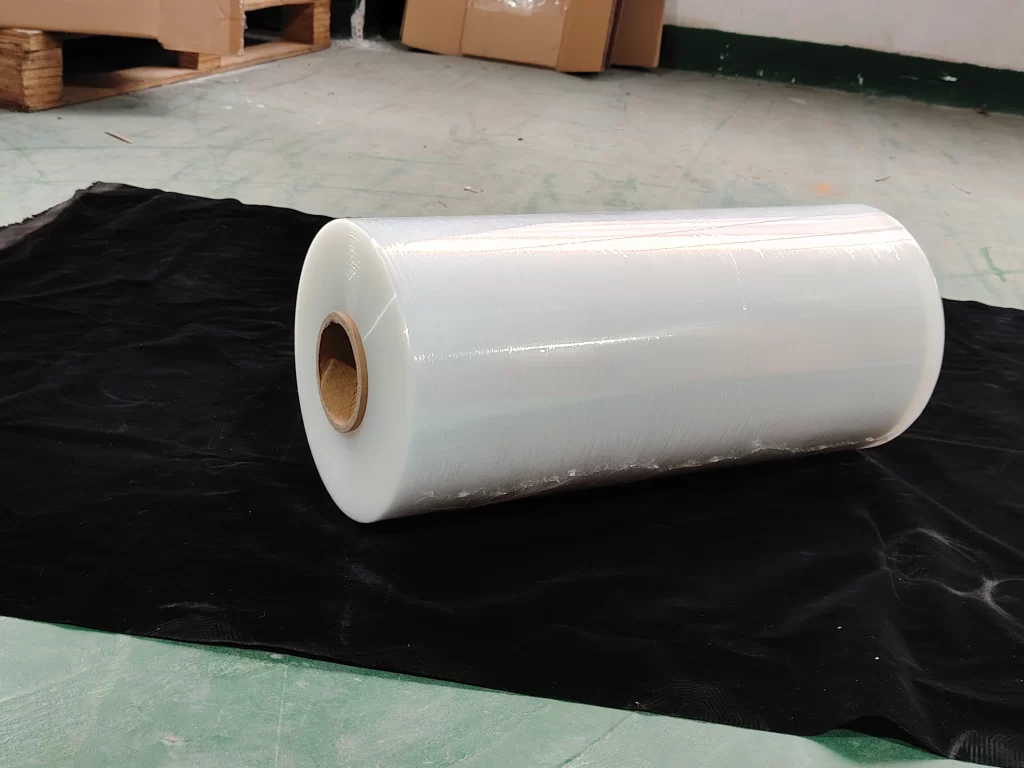
What Is Machine Grade Stretch Film?
Machine grade stretch film is designed for use with pallet wrapping machines or automated stretch wrappers. These machines apply consistent tension and stretch to the film, ensuring stronger load containment.
Key Features of Machine Grade Stretch Film
- High Stretch Capability
Machine stretch film can stretch 200%–300% or more, allowing a smaller amount of film to secure a pallet effectively.
- Greater Load Stability
Because machines apply consistent tension, pallets wrapped with machine film are more stable during transport.
- Higher Efficiency
Automated wrapping significantly reduces labor time and increases packaging speed.
- Better Film Utilization
Machine stretch film maximizes material efficiency, meaning less film is required per pallet.
Common Applications
Machine stretch film is typically used in:
- Large distribution centers
- Manufacturing facilities
- High-volume logistics operations
- Automated warehouses
- Export shipping environments
Businesses wrapping more than 20–30 pallets daily often benefit from machine stretch film.
Key Differences Between Manual and Machine Grade Stretch Film
Below is a comparison of the most important differences:
| Fonctionnalité | Manual Stretch Film | Machine Grade Stretch Film |
|---|---|---|
| Application | Hand wrapping | Automated wrapping machines |
| Stretch Capacity | 100%–150% | 200%–300%+ |
| Roll Weight | Lighter rolls | Heavier industrial rolls |
| Labor Requirement | Higher manual labor | Minimal labor |
| Efficiency | Slower | High-speed operation |
| Cost Structure | Lower upfront cost | Higher equipment investment |
| Film Usage | Higher film consumption | Lower film consumption |
The main difference lies in efficiency and scalability. Manual film is ideal for small-scale operations, while machine film supports high-volume logistics.
Advantages of Manual Stretch Film
Manual stretch film offers several benefits, especially for smaller businesses.
1. Low Investment Cost
Companies do not need to purchase pallet wrapping machines, making it an affordable option.
2. Flexibility
Manual wrapping allows workers to wrap irregular loads or odd-shaped pallets easily.
3. Easy to Use
Minimal training is required for workers to begin wrapping pallets manually.
4. Portability
Manual stretch film can be used anywhere in the warehouse without requiring power or equipment.
Advantages of Machine Grade Stretch Film
Machine stretch film provides significant advantages for large-scale operations.
1. Higher Productivity
Automated pallet wrapping machines can wrap pallets much faster than manual labor, saving time and increasing throughput.
2. Consistent Wrapping Quality
Machines apply consistent tension, ensuring every pallet is wrapped evenly.
3. Lower Long-Term Cost
Although machines require upfront investment, companies save money over time due to reduced film usage and labor costs.
4. Improved Workplace Safety
Machine wrapping reduces repetitive manual movements, lowering the risk of worker injuries.
How to Choose Between Manual and Machine Stretch Film
Choisir le bon stretch wrapping film depends on several factors.
1. Packaging Volume
- Low volume: film étirable manuel
- High volume: Film étirable à la machine
2. Labor Costs
If labor costs are high, automation with machine stretch film may be more cost-effective.
3. Warehouse Size
Large warehouses benefit from automated wrapping systems that increase operational efficiency.
4. Budget Considerations
Manual stretch film requires minimal upfront investment, while machine systems require equipment purchases.
5. Load Stability Requirements
Heavy or high-value products may require machine wrapping for stronger load containment.
When Should You Upgrade to Machine Stretch Film?
Many companies start with manual stretch film and later transition to machine wrapping as their operations grow.
Signs that it may be time to upgrade include:
- Increasing pallet volume
- Labor shortages
- Inconsistent load stability
- Rising packaging costs
- Faster shipping requirements
Investing in automated stretch wrapping systems can significantly improve packaging efficiency for expanding businesses.
Final Thoughts
Both manual stretch film and machine grade stretch film serve the essential purpose of securing pallets during storage and transportation. However, they are designed for different operational needs.
Manual stretch film is ideal for small businesses, low-volume packaging, and flexible operations. Machine stretch film, on the other hand, is better suited for large warehouses and high-speed logistics environments where efficiency and consistency are critical.
FAQs Between Manual and Machine Grade Stretch Film
What is manual stretch film used for?
Manual stretch film is used for hand-wrapping pallets in small warehouses, retail operations, and businesses with low packaging volumes.
What is machine grade stretch film?
Machine grade stretch film is designed for automated pallet wrapping machines and offers higher stretch capacity and better load stability.
Which stretch film is more cost-effective?
Manual stretch film has lower upfront costs, but machine stretch film is often more cost-effective for high-volume operations due to reduced labor and film usage.
How much stretch can machine stretch film achieve?
Machine stretch film can typically stretch between 200% and 300%, depending on the film type and machine settings.
When should a company switch to machine stretch film?
Businesses should consider switching when they wrap more than 20–30 pallets per day or need improved efficiency and load consistency.